
Start at the building entrance, not the unit door
A guest can have the right door code and still be unable to reach your apartment. The building may have a staffed reception, controlled lifts, a parking gate or rules for access cards. For an owner, the first question is not simply whether to use a smart lock or a keybox. It is how the guest will move from the building entrance to the unit door, with the right checks completed along the way.
This matters when planning smart lock and keyless check-in for a dubai holiday home. A smart lock controls the unit door. A keybox gives access to the key inside it. Neither replaces the building’s entry process, guest verification or the operator’s check-in work.
Dubai’s 2025 Preventive Systems Manual lists SIRA-approved secure locks and use of a SIRA-approved smart-lock app among vacation-home security requirements. Do not treat an ordinary keybox as a substitute for those requirements. Before buying hardware or changing a door, confirm the current requirements and the building’s rules for your unit. You can start with the Security Industry Regulatory Agency and the Dubai Department of Economy and Tourism (DET).
What each access method actually does
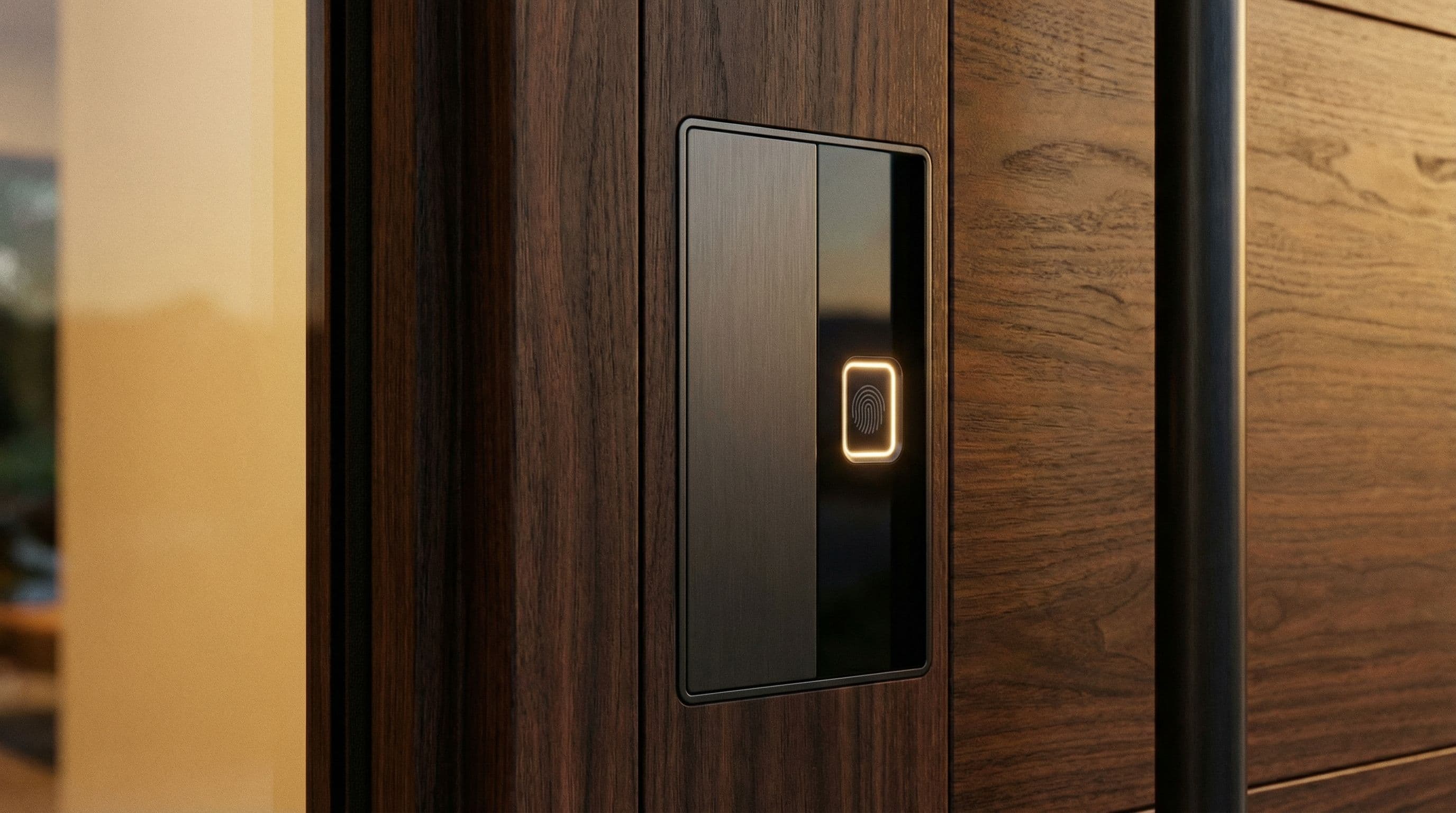
Smart lock at the unit door
An approved smart-lock setup provides a digital way to open the apartment door. Depending on the approved system’s functions, an operator may be able to issue access for a particular stay and remove it after departure. The guest still needs separate instructions for reception, lifts, parking and any other shared entrance.
Ask who will manage access when a reservation changes. Someone must confirm the guest details, send the correct instructions, check that the access method works and respond if the guest cannot enter. Keyless entry can make the unit-door step simpler; it does not make the entire arrival contactless.
Keybox holding a physical key
A keybox gives a guest a way to collect a physical key. The guest must first be able to reach the box, and the box’s location must be acceptable to building management. You also need a plan for a missing key, an empty box, a jammed box or a code that reaches the wrong person.
A keybox may have a limited operational role where permitted, such as part of a documented backup plan. It should not be presented as an alternative to the applicable SIRA-approved lock and app requirements. Confirm the proposed arrangement before using it.
Ask the building before installing anything
Send building management a short written description of the proposed setup. A written response helps your team give consistent instructions and avoids making assumptions based on what another building allows.
Ask:
- Are changes to the unit-door lock or hardware allowed, and what approvals are needed before installation?
- Is a keybox permitted anywhere on the property? If so, where may it be placed?
- What must a guest do at reception or security before going upstairs?
- Does reception need a guest list or advance notice of each arrival?
- How do guests use the lobby entrance, lift and other shared doors?
- How is parking access arranged, if parking is included?
- Are there rules for physical keys, building access cards or replacements?
- Who should the operator contact if the normal entry process fails after hours?
These are practical questions to ask the building, not a claim that DET prescribes each item. According to DET’s Holiday Homes User Guide, building or residential-complex management must allow entry for guests of an authorised holiday home. The guide also says building management may view passports or ID cards, or take copies, at reception during check-in. Plan for that step rather than promising guests they can walk straight to the apartment.
Map the full arrival before choosing a setup
Write down what happens at each point of the journey. This makes gaps easier to see than a discussion focused only on the lock.
- Before arrival: Confirm the reservation and required guest details. Explain the building’s entry procedure separately from the unit-door method.
- At the building: Tell the guest where to go and what reception or security may request. Explain any approved arrangements for lifts, access cards or parking.
- At the unit: Provide clear instructions for the approved digital access method or the physical key arrangement that has been permitted.
- If access fails: Give the guest one clear contact route. Make sure the person responding knows the building’s procedures and the approved backup method.
- After departure: Confirm that the guest has left, recover any issued key or card, and remove or reset access as appropriate.
DET guidance requires the licensee to receive the guest, provide a clean and ready unit, explain applicable terms and rules, and record check-ins and check-outs in Holiday Homes 2.0. The guide says check-in and check-out must be recorded within three hours of entry and guest details verified. A lock opening does not complete those duties. The operator still needs a reliable process for them.
Handle access separately for each stay
Use a repeatable procedure rather than reusing the same guest instructions without review. As a recommended operating practice, send access details only after the reservation and required guest details are confirmed. Where the approved system allows it, limit digital access to the stay period and revoke it after departure. If a physical key or box code is used, control who receives the details and reset or recover access when the stay ends.
Keep building-entry instructions and unit-door instructions separate. A door code should not be mistaken for permission to bypass reception. If a guest changes their arrival time, update the team member handling check-in and check whether the building needs an updated arrival notice.
Treat access details as sensitive operational information. Share them through your normal guest communication process rather than in a public listing or an unattended note at the property.
Plan for a flat battery and a failed arrival
Ask the approved lock provider or installer for the documented battery alerts and fallback procedure for the specific system. Do not assume there is a universal battery-change schedule or that every lock has the same emergency opening method. Decide who receives alerts, who can attend the property and how they will enter under the building’s rules.
Test the normal arrival path between stays. Check that the unit door opens using the method guests will receive, that any physical key is where it should be, and that instructions still match the building’s current process. Also rehearse a backup scenario: the guest reaches reception but cannot open the unit door. Your response plan should identify a contact person, an approved way to regain access and a way to update the guest promptly.
A simple guest message to adapt
Send only the details that apply to your building and approved access setup. For example:
- Building entry: Please go to the reception desk at the entrance we have identified. Reception may ask to view your passport or ID and will follow the building’s check-in procedure.
- Lift and shared access: Follow the access instructions we send for your arrival. Please contact us if reception needs confirmation from our team.
- Unit door: Once you reach the apartment, use the approved access method sent separately for your stay. Do not share the access details.
- Help with entry: If any step does not work, contact us using the arrival support details in your message.
This wording keeps the building procedure visible without suggesting that a smart lock or keybox replaces it. Adjust it to reflect the actual reception process, the applicable guest rules and the access method your team has tested.
Make access part of the wider operating plan
Good access planning connects security requirements, building coordination, guest verification, check-in records, cleaning readiness and a response plan for arrivals outside normal hours. It is not just a hardware choice. For owners exploring holiday home management, this is one example of the day-to-day work a manager should be able to explain clearly. You can also see our services for the wider management approach.
Before committing to a setup, confirm current official requirements, get the building’s answers in writing, walk through a sample arrival and test the backup procedure. If you would like to discuss access planning for your Dubai property, contact us to talk to LuxeStay about holiday home management.
Frequently asked questions
Can a keybox replace a smart lock for a Dubai holiday home?
Do not assume it can. Dubai’s 2025 Preventive Systems Manual lists SIRA-approved secure locks and use of a SIRA-approved smart-lock app among vacation-home security requirements. A keybox only holds a physical key. Confirm current requirements and any permitted role for a keybox before setting up access.
Will a smart lock let guests bypass building reception?
No. A smart lock controls the unit door, not the lobby, lift, parking gate or reception process. Give guests separate building-entry instructions, and coordinate any reception and ID procedures with building management.
What should I ask building management before installing a lock?
Ask in writing about door-hardware approvals, keybox placement, reception procedures, guest lists, lobby and lift access, parking, and rules for keys or access cards. Confirm who handles access problems after hours.
How should access codes be handled between stays?
As a recommended operating practice, share access details after confirming the reservation and required guest details. If the approved system supports it, limit access to the stay period and revoke it after departure. Test the next guest’s access before arrival.
What happens if a smart-lock battery fails?
Follow the approved lock’s documented fallback procedure rather than assuming a particular backup method will work. Assign someone to monitor alerts, confirm how they can enter under building rules, and test the escalation plan between stays.